
Denture Repairs and Adjustments in Leesburg, FL
Denture repairs and adjustments in Leesburg, FL help address dentures that are broken, loose, uncomfortable, or no longer fitting as they should. At Amel Hassan DDS, Dr. Amel Hassan evaluates existing dentures to determine whether repair, adjustment, relining, or replacement is the most appropriate solution.
Denture Care That Keeps Everyday Life Comfortable
Your dentures should make everyday activities easier, not create additional discomfort. When they begin slipping during meals, rubbing against your gums, or showing signs of damage, professional dental care can help identify the underlying problem.
Our goal is to help you maintain a functional denture that supports comfortable chewing, clearer speech, and confidence in your smile.
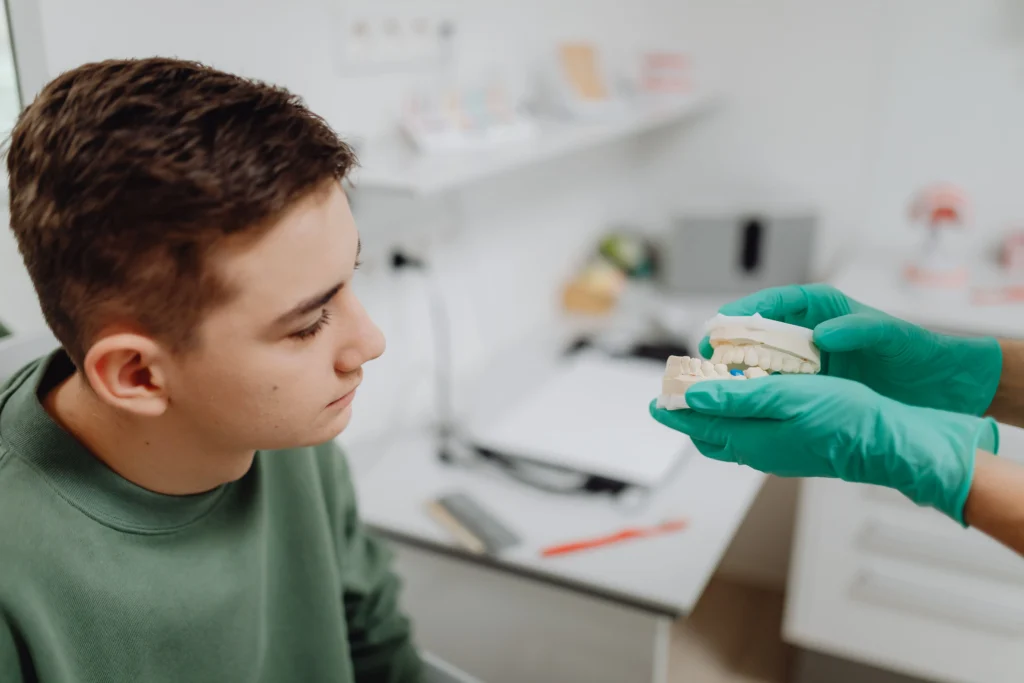
When Do Dentures Need Repairs or Adjustments?
Dentures are designed to withstand daily use, but they can still wear down, become damaged, or lose their original fit. Over time, changes in the gums and jawbone can affect how a denture rests in the mouth. Even an appliance that once felt secure may eventually become loose or uncomfortable.
Common signs that your dentures need attention include:
01
Dentures that slip or move while eating or speaking
02
Sore spots or irritation along the gums
03
Cracks or fractures in the denture base
04
Chipped, broken, or missing denture teeth
05
Dentures that slip or move while eating or speaking
06
Sore spots or irritation along the gums
07
Cracks or fractures in the denture base
These concerns should be evaluated rather than ignored. Continuing to wear a damaged or poorly fitting denture may worsen irritation or contribute to additional appliance damage.
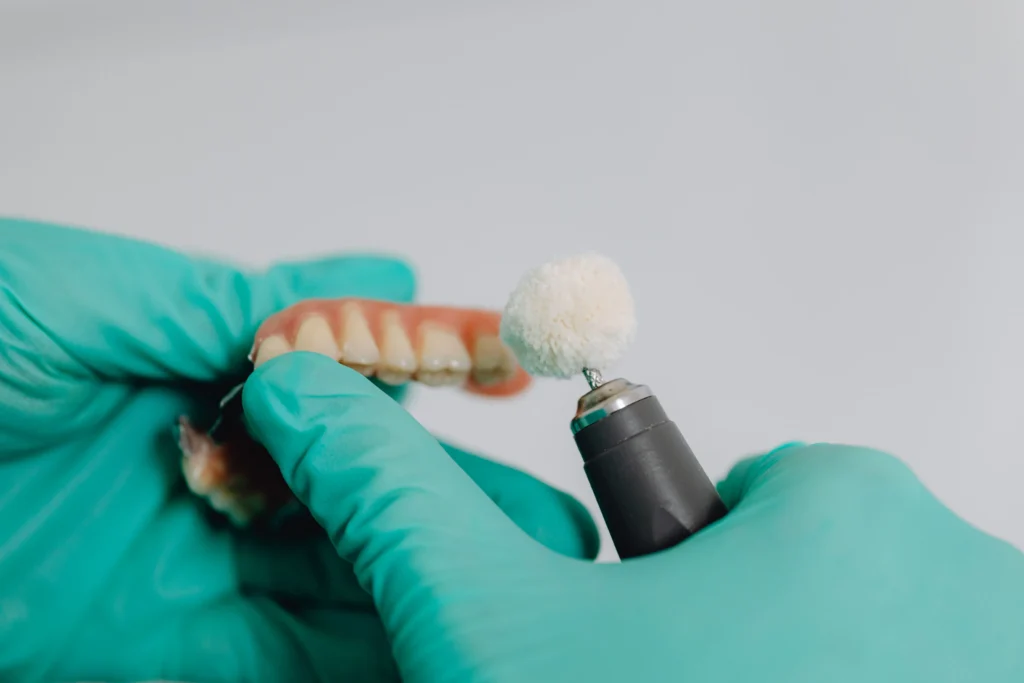
Professional Denture Repair Services
A broken denture does not always mean you need a completely new appliance. Fractured bases, damaged teeth, and broken partial denture components can often be repaired. Dr. Hassan evaluates the damage and the fit, then recommends whether repair or replacement is the more reliable option.
Denture Adjustments for a More Comfortable Fit
Denture adjustments are intended to improve comfort when an appliance creates pressure, irritation, or bite-related problems.
Sometimes, a denture rests unevenly on the gums or places too much pressure on certain areas. This can create sore spots, especially during chewing.
An adjustment may involve carefully modifying the appliance to reduce excessive pressure or improve how the upper and lower teeth meet.
What Can Denture Adjustments Help With?
Adjustments may help address:
Pressure points causing gum discomfort
Areas of rubbing or irritation
Uneven contact when biting
Fit issues affecting daily wear
Soreness while adjusting to new dentures
The appropriate adjustment depends on the cause of the problem. Removing too much material or making improper changes can affect how the denture functions, which is why adjustments should be performed by a dental professional.
Denture Relining: When Your Mouth Changes Over Time
Even if a denture remains in good physical condition, it may become loose as your mouth changes.
After tooth loss, the jawbone and gum tissues gradually change shape. These natural changes can affect the support and retention of a removable denture.
A denture reline may help improve its fit by reshaping the surface that rests against your gums.
How Is a Reline Different From a Denture Adjustment?
Denture Adjustment
A denture adjustment usually focuses on specific areas causing pressure or interfering with the bite.
Denture Reline
A reline addresses broader changes in how the denture fits against the supporting tissues.
Both treatments aim to improve comfort and function, but they are used for different problems. Not every loose denture can be corrected with a reline. Some appliances may need more extensive modification or replacement.
EXPLORING YOUR OPTIONS
When Should Dentures Be Replaced Instead of Repaired?
Repairs and adjustments can extend the usefulness of some dentures, but they cannot correct every problem.
A replacement may be recommended when the appliance has substantial wear, repeated fractures, major changes in bite alignment, or structural damage that cannot be repaired reliably.
Dentures that no longer support comfortable chewing or have an unsuitable overall fit may also require replacement.
At Amel Hassan DDS, Dr. Hassan evaluates the condition of your existing dentures and your oral tissues before discussing whether repair, relining, adjustment, or a new appliance is appropriate.
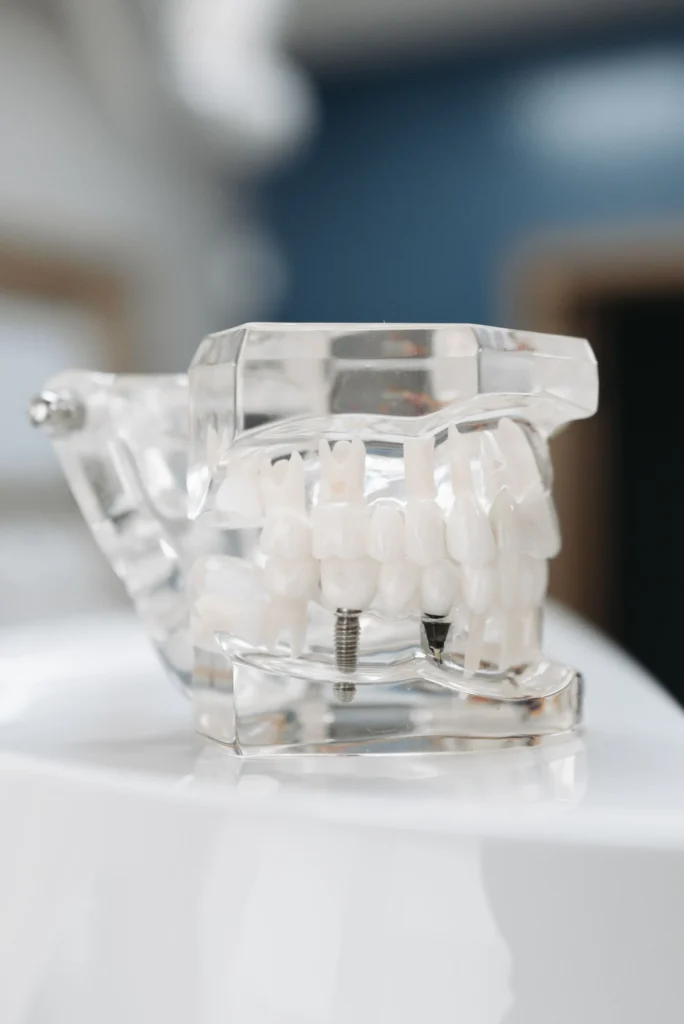
For patients who continue to struggle with unstable conventional dentures, implant-supported options may also be worth discussing.
What to Expect During Your Denture Evaluation
The first step toward improving denture comfort is understanding what’s causing the problem.
-
1
Examining Your Dentures
Your dentist checks the appliance for visible cracks, wear, damaged components, and other structural concerns.
-
2
Evaluating Your Gums and Oral Tissues
The supporting tissues are examined for irritation, pressure points, and changes that may affect denture fit.
-
3
Checking Fit and Bite
Your dentist evaluates how the denture rests in your mouth and how your upper and lower teeth meet.
-
4
Recommending the Appropriate Care
Based on the examination, your dentist will explain whether a repair, adjustment, reline, or replacement is recommended.
The number of visits and time required depend on the condition of the denture and whether additional laboratory work is necessary.
CARING FOR YOUR DENTURES
How to Care for Your Dentures and Prevent Damage
Daily maintenance helps keep dentures clean and may reduce avoidable damage.
A few simple habits can make a difference:
- Clean your dentures daily using appropriate cleaning products.
- Handle dentures carefully to prevent accidental drops.
- Avoid exposing dentures to excessively hot water that may distort the material.
- Follow your dentist's instructions for storing dentures when they are not being worn.
- Avoid attempting repairs with household glue or over-the-counter adhesives not intended for dental repairs.
- Schedule dental evaluations when you notice changes in fit, comfort, or function.
Regular dental visits remain important even if you no longer have natural teeth. Your dentist can check your oral tissues and assess whether your dentures continue to fit properly.
Frequently Asked Questions About Tooth Extractions
When is a tooth extraction necessary?
A tooth extraction may be recommended when a tooth is severely decayed, damaged, infected, or cannot be saved through other treatments. Dr. Hassan evaluates the tooth and surrounding tissues before recommending removal.
What is the difference between simple and surgical tooth extractions?
A simple extraction removes a tooth that is visible and accessible above the gums. A surgical extraction may be necessary for broken, impacted, or difficult-to-reach teeth that require additional steps for removal.
Is getting a tooth extracted painful?
Local anesthesia is typically used to numb the area during a tooth extraction. You may feel pressure during the procedure, while mild soreness and swelling afterward can usually be managed with recommended aftercare.
How long does it take to recover from a tooth extraction?
Initial healing typically takes one to two weeks, although recovery varies depending on the extraction and your oral health. Following aftercare instructions helps protect the extraction site and support proper healing.
Can I explore tooth replacement options after an extraction in Leesburg, FL?
Yes. Dr. Amel Hassan, DDS, can discuss replacement options such as dental implants, bridges, or dentures following an extraction. The recommended treatment and timing depend on your oral health, bone condition, and healing needs.
Take the First Step Toward a More Secure Smile
Reach out to Dr. Hassan directly to discuss your situation and goals.
Explore Your Implant Options
Request a dental implant consultation in Leesburg, FL.